
Anti-Aging Creams and Serums Guide
Discover our comprehensive collection of articles, reviews, and expert insights on anti-aging skincare products. Learn about the most effective creams and serums available to help you maintain youthful, radiant skin.
Browse by Category
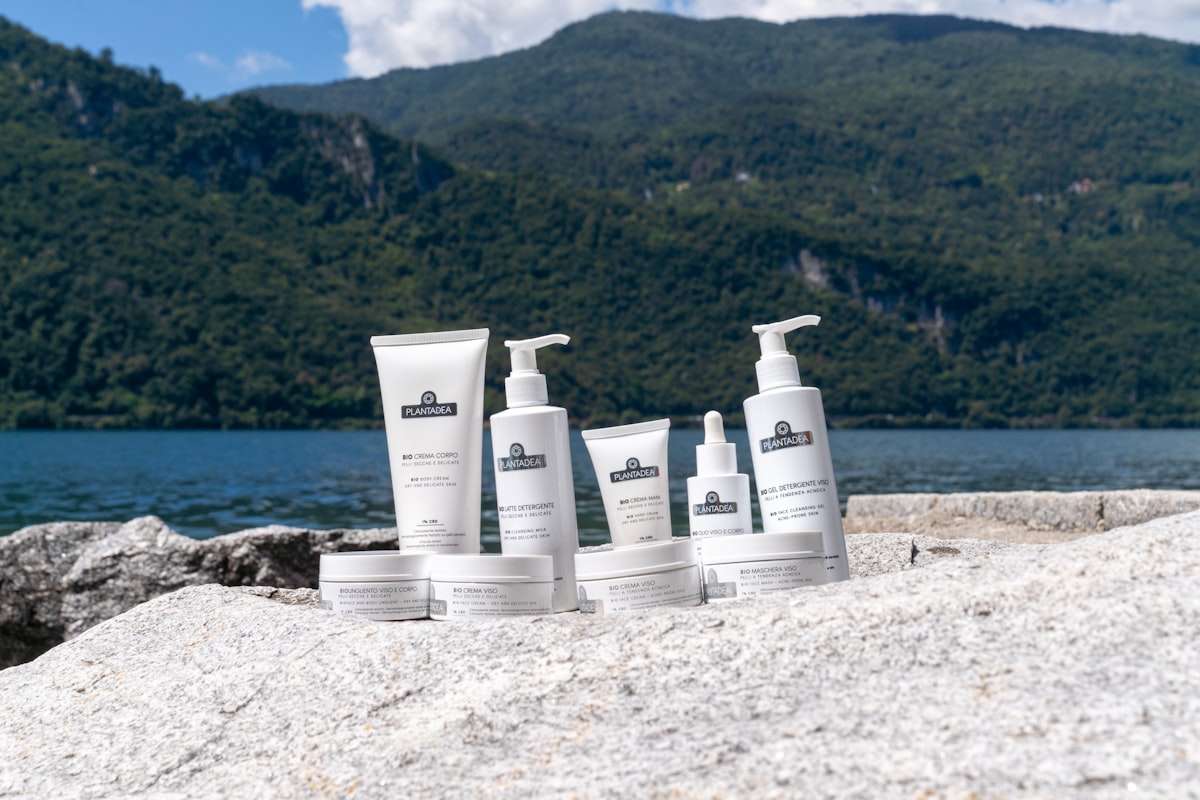
Retinol Serums: The Gold Standard
Explore why retinol remains one of the most researched and effective ingredients for reducing fine lines, improving skin texture, and promoting cell turnover. Learn about different retinol strengths and how to incorporate them into your routine.
Read More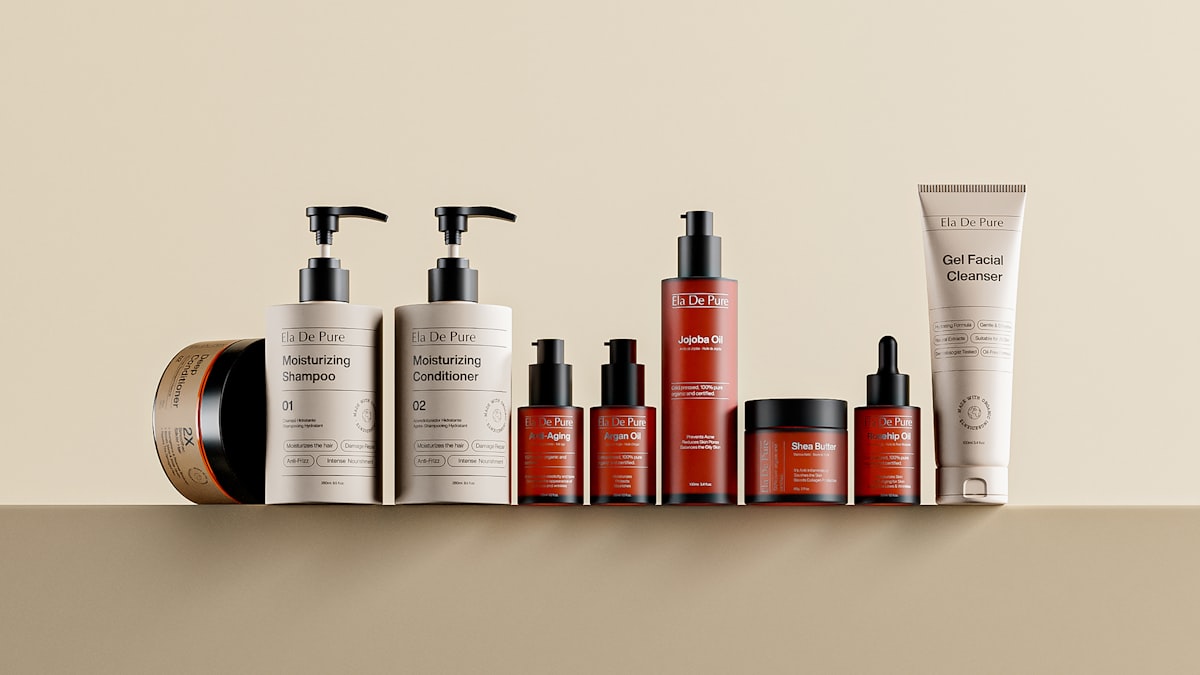
Peptide-Rich Creams
Discover how peptides support skin firmness and elasticity. This guide covers the science behind peptides, their role in collagen production, and the best peptide-enriched products for mature skin looking for enhanced lifting and sculpting benefits.
Read More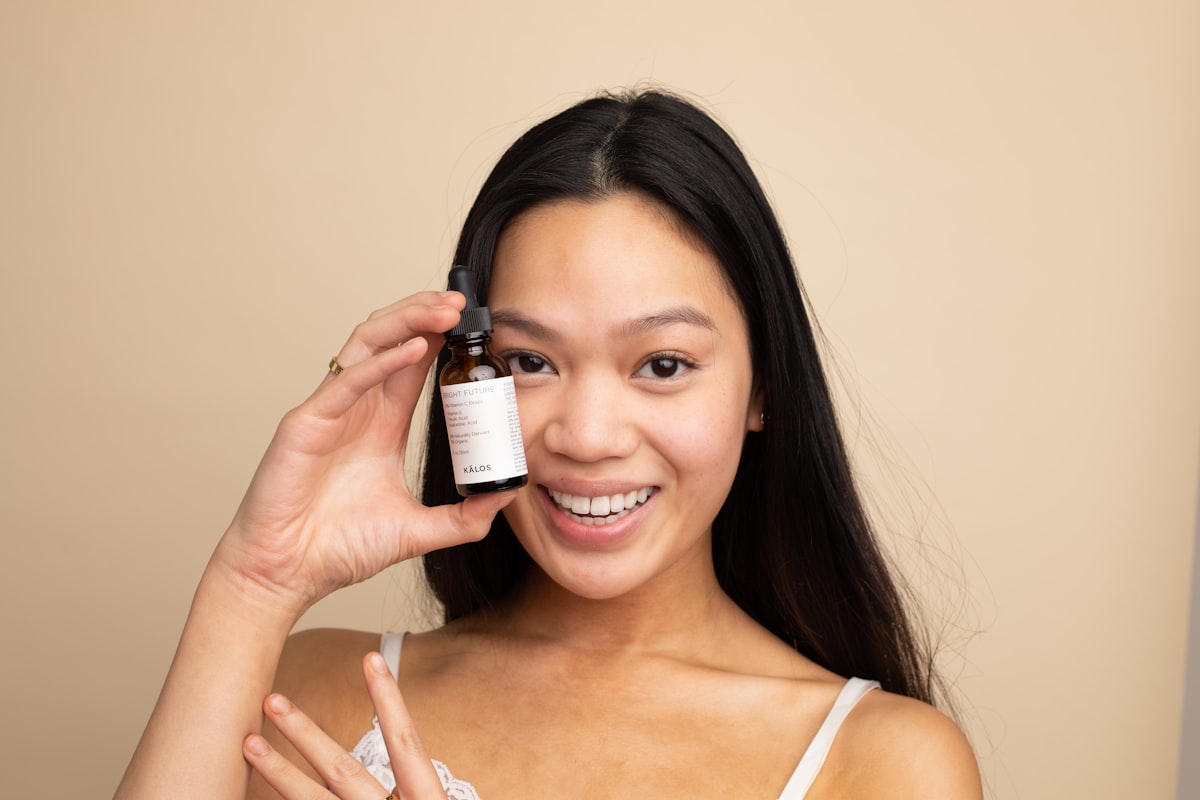
Vitamin C Serums & Brightening
Learn about the antioxidant power of vitamin C for brightening dull skin and fading age spots. Explore different forms of vitamin C, stability tips, and how to layer this potent serum with other anti-aging ingredients for maximum results.
Read More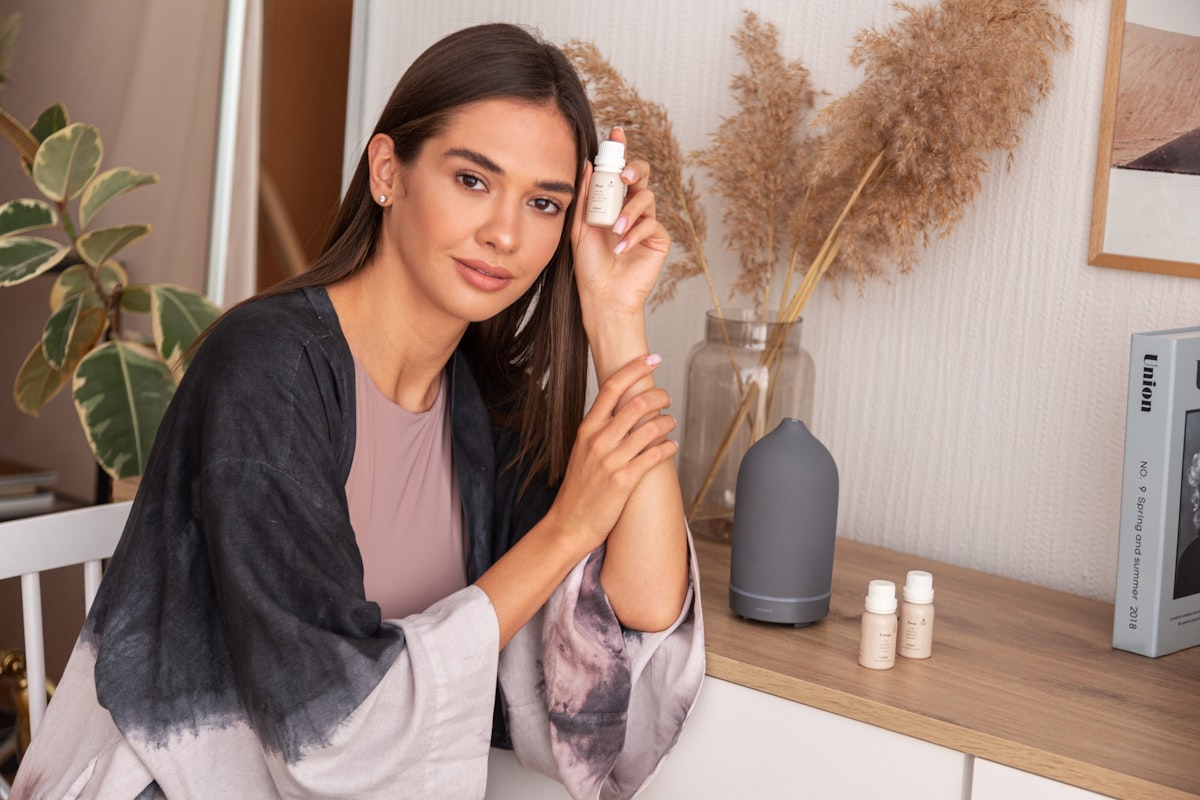
Hyaluronic Acid & Deep Hydration
Understand how hyaluronic acid plumps fine lines and maintains skin moisture. This article examines molecular weight variations, layering strategies, and why proper hydration is essential for reducing the visible appearance of wrinkles and aging skin.
Read More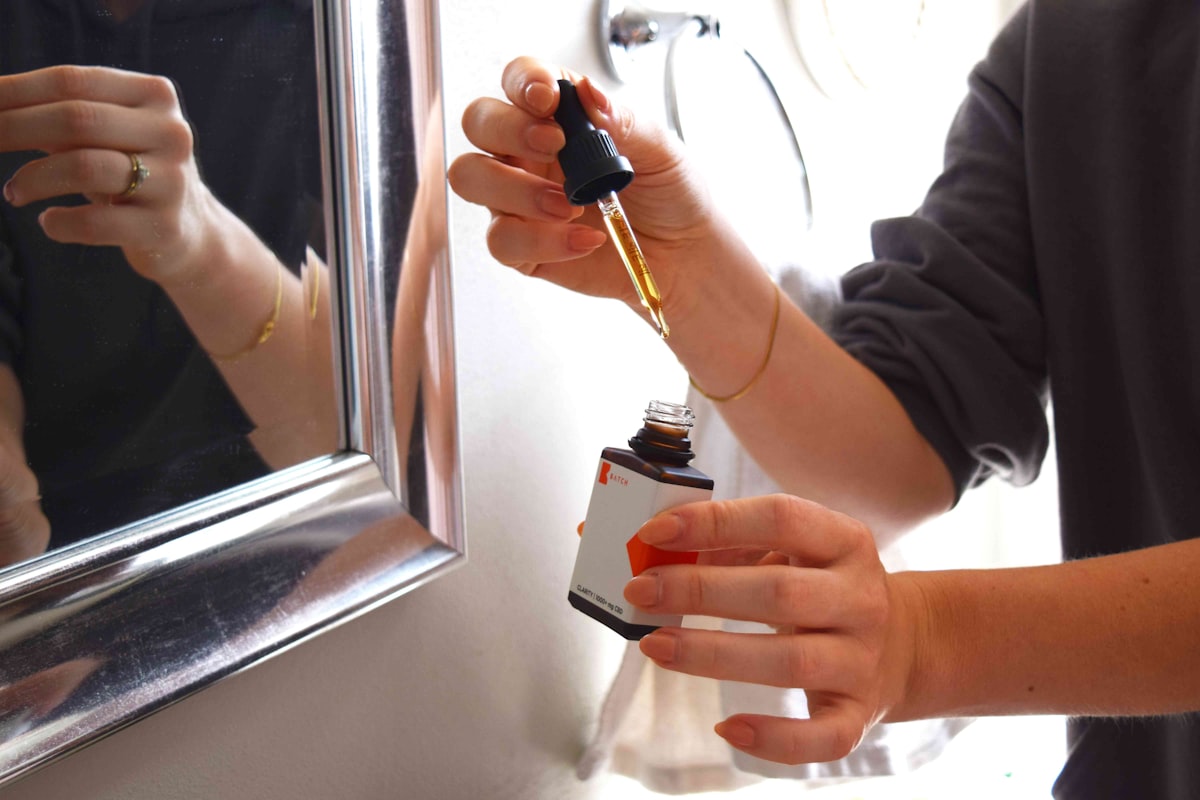
Targeted Eye Contour Solutions
The delicate eye area requires special attention. Explore formulas designed to address crow's feet, dark circles, and puffiness. Learn about caffeine, niacinamide, and specialized applicators that deliver potent actives where they're needed most.
Read More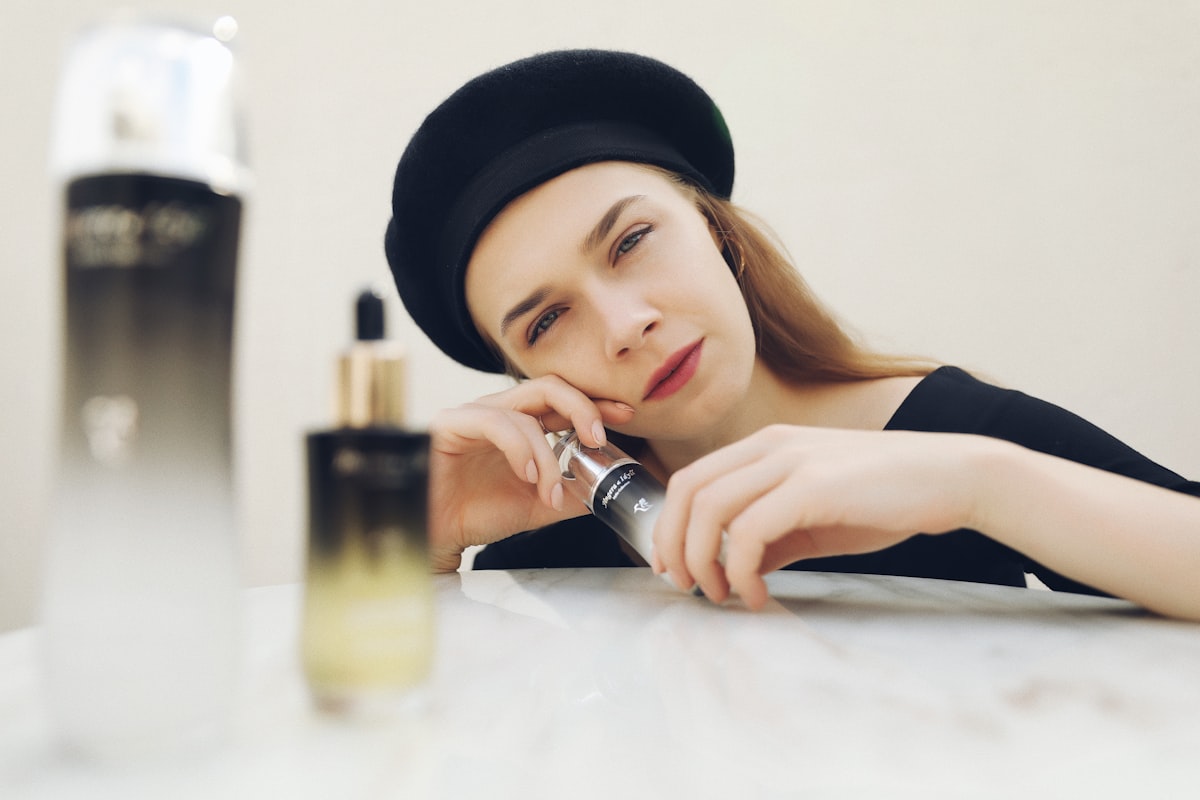
Natural & Botanical Extracts
Discover plant-based anti-aging ingredients including resveratrol, green tea extract, and bakuchiol. This guide reviews the research behind botanical actives and how they complement conventional anti-aging approaches for a holistic skincare strategy.
Read More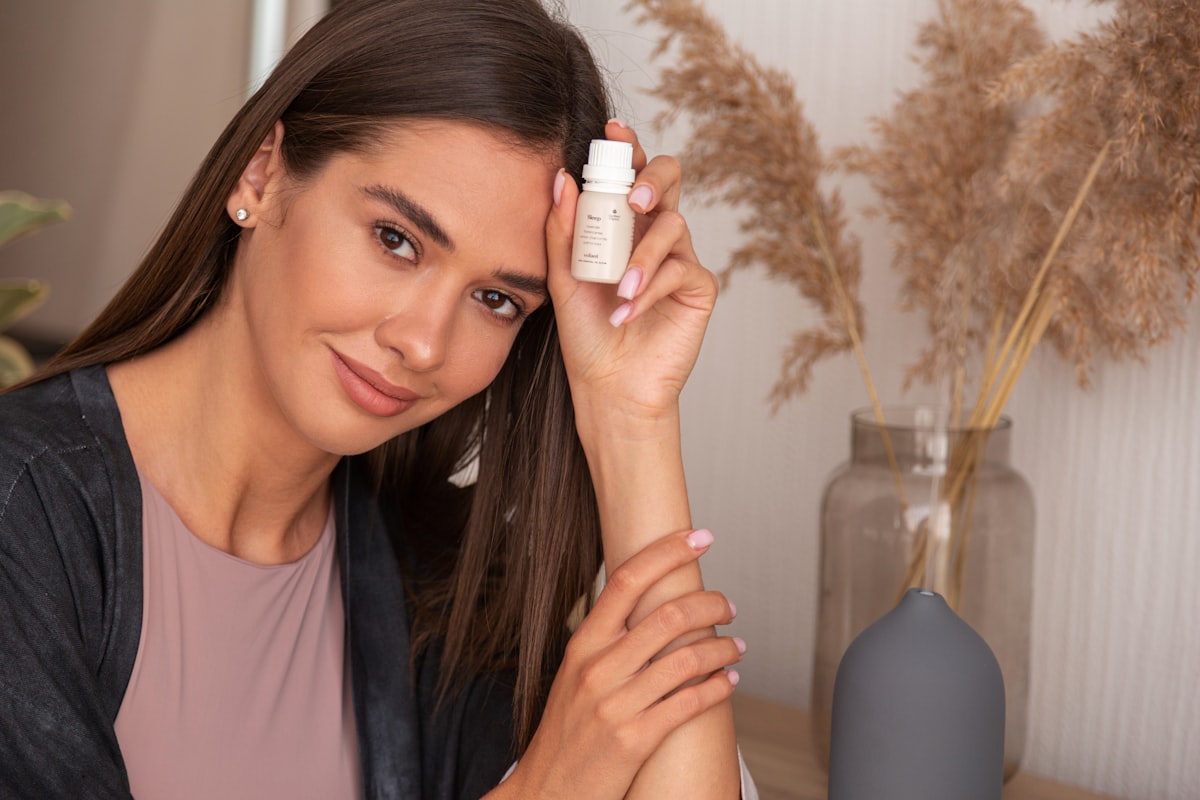
Sun Protection & Prevention
Prevention is the best anti-aging strategy. Learn why daily sunscreen is essential for protecting skin from UV-induced aging. Explore mineral and chemical sunscreens, SPF ratings, and how to integrate sun protection into your overall anti-aging regimen.
Read More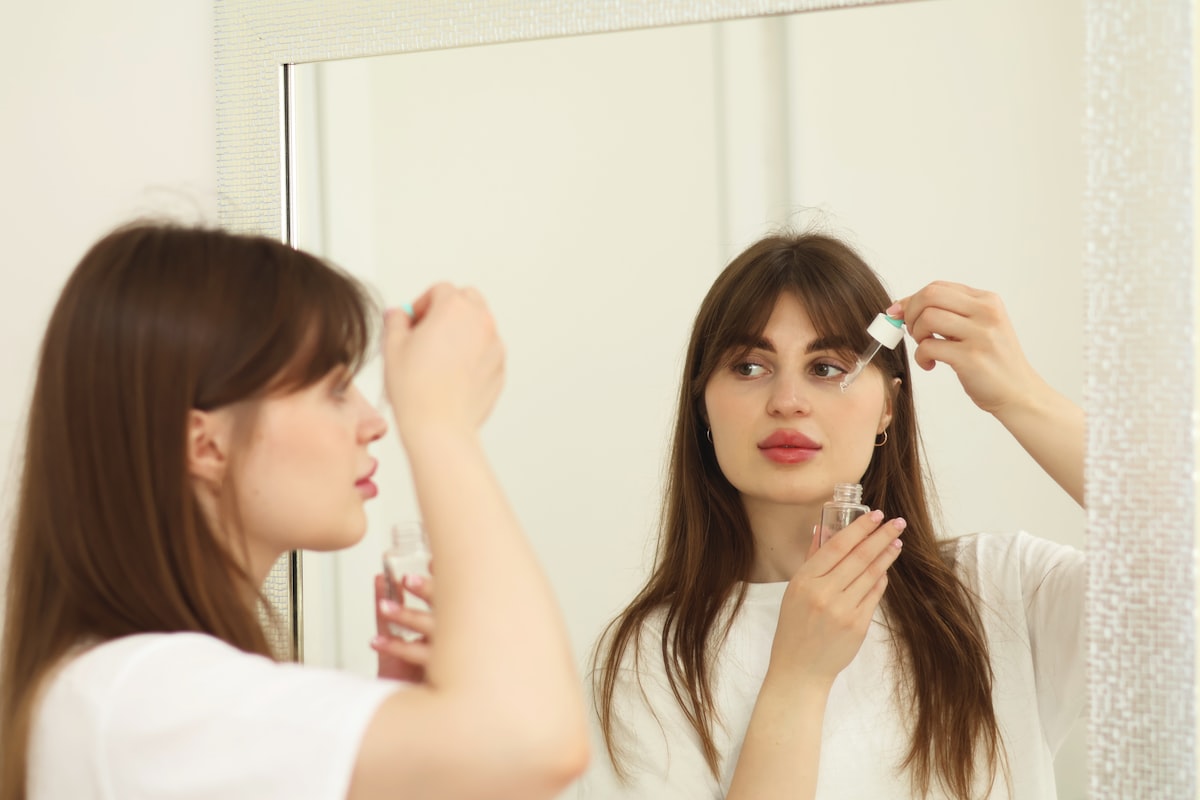
Building Your Anti-Aging Routine
Learn the optimal order to layer creams, serums, and treatments for maximum efficacy. This comprehensive guide covers morning and evening routines, ingredient compatibility, and how to gradually introduce potent actives to achieve visible results without irritation.
Read MoreFrequently Asked Questions
What is the best age to start using anti-aging creams and serums?
Prevention is key in skincare. Many dermatologists recommend starting preventative anti-aging products in your late twenties to early thirties, particularly if you have sun exposure or genetic predisposition to early aging. However, even in your forties and beyond, targeted serums and creams can help improve skin texture and appearance. The best time to start is whenever you notice changes you'd like to address.
Can I use multiple serums together safely?
Yes, you can layer multiple serums if they're formulated to work together. The general rule is to apply products from thinnest to thickest consistency, allowing each to dry slightly before applying the next. However, some active ingredients should not be mixed—for example, vitamin C and retinol are best used on alternate nights. Always patch test new combinations and introduce products gradually to monitor how your skin responds.
How long does it take to see results from anti-aging products?
Results vary depending on the ingredient and your skin type. Hydrating serums may show immediate plumping effects, while retinol and peptides typically require 6-12 weeks of consistent use to show visible improvements in fine lines and texture. Sunscreen prevents future damage but won't reverse existing aging signs. Patience and consistency are essential for any skincare regimen.
Are natural ingredients better than synthetic ones?
Neither is inherently superior—effectiveness depends on the specific ingredient and formulation. Retinol, a vitamin A derivative, is synthetic but highly researched. Natural ingredients like resveratrol and green tea extract offer antioxidant benefits. The key is choosing ingredients supported by research and suitable for your skin type and concerns. Both natural and synthetic ingredients can be effective and safe when properly formulated.
Is sunscreen really necessary as part of anti-aging routine?
Absolutely. UV exposure is the primary external factor in premature aging, causing fine lines, pigmentation, and loss of elasticity. Daily broad-spectrum sunscreen (SPF 30 or higher) protects against UVA and UVB damage and prevents the need for corrective treatments. All other anti-aging efforts become more effective when combined with consistent sun protection, making it the foundation of any anti-aging strategy.
Explore More Skincare Insights
Our editorial team at Complexionapothecary continues to research and document the latest developments in anti-aging skincare. Discover detailed product reviews, ingredient breakdowns, and expert guidance on building an effective routine tailored to your skin's unique needs.
Questions About Our Content?
Send us feedback or inquiries about our anti-aging guides and articles. Our editorial team is here to help clarify any skincare topics.Contact Our Editorial Team